
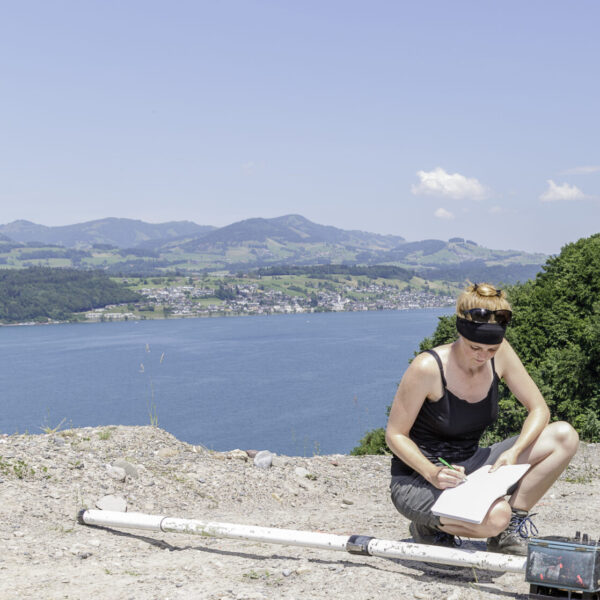
Image credits: IDEA League
EASYGO-ON: Geothermal Energy Systems: Potential, Use and Power Generation
7 – 11 September 2026
The Training Week focuses on surface facilities exploiting geothermal systems, covering key technologies for geothermal power plants and thermal energy applications. The program includes theoretical sessions, networking opportunities, student presentations, and a field visit to a geothermal power plant.
Keywords: Geothermal Power, Geothermal Heat, Energy Storage, Sustainability, Renewable Energy
Location
Volterra, Italy
Participants
Application is open to Master and PhD Students of the member universities from the IDEA League Alliance and ENHANCE Network universities.
A preference will be given to PhD students with a scientifical or engineering background.
Expenses
There are no tuition fees or accommodation fees. Lunches and official social activities will also be covered. Students from IDEA League member universities selected to participate in this summer school only have to pay for their own travel costs where applicable.
Requirements
– Curriculum vitae & publications list (with reference to the disciplinary field of research and stage of the studies)
– Letter of motivation
– Letter of recommendation (optional)
– Transcript of records (for master students)
– Supervisor approval (for PhD candidates from Chalmers)
This summer school is part of the EASYGO-ON Training Weeks, a series of annual training programs hosted by IDEA League universities, focusing on key aspects of geothermal operations. The overarching theme of the series is “Efficiency & Safety in Geothermal Operations”, with each edition addressing a different topic.
This edition focuses on surface facilities and encompasses the various energy systems that can be employed for the exploitation of geothermal energy. Surface facilities rely on different technologies: direct steam and binary cycles (ORC) for power production, as well as direct heat exchangers and heat pumps for heating applications. Cooling applications may also be considered. Selecting the appropriate technology, correctly sizing power plant components, and choosing suitable performance indicators and operating parameters are essential to ensure high efficiency in geothermal plant operation.
Participants will take part in an intensive five-day program, combining theoretical foundations with numerical applications. The curriculum includes two days of topic-specific training, covering an introduction to geothermal energy, fundamental principles of energy conversion and key operational aspects of geothermal plants. These sessions are followed by a networking day with alumni and industry experts, featuring PhD student presentations (oral and poster). A field visit will provide insights into real-world geothermal projects and operations, while dedicated soft skills training will prepare students for effective interdisciplinary collaboration in the field.
By addressing surface plant technology for both shallow and deep geothermal systems, and providing an overview of underground thermal energy storage, this summer school aims to equip participants with the knowledge and skills needed to contribute to the future of sustainable geothermal energy.
Schedule
Day 1: Topic Training
Day 2: Topic Training
Day 3: Networking, Student Presentation, Industry & Alumni
Day 4: Field Trip (“Valle Secolo” power plant, Geothermal Museum of Larderello)
Day 5: Soft Skills, Closure and Future Collaborations
Learning Objectives
- Explain the main principles of geothermal energy exploitation, with a focus on surface facilities for both shallow and deep systems.
- Compare different technologies for geothermal energy utilization, including direct steam cycles, binary cycles (ORC), heat exchangers and heat pumps for power, heating and cooling applications.
- Evaluate the criteria for selecting appropriate technologies, performance indicators, and operating parameters in geothermal plant design and operation.
- Apply basic methods to size key components of geothermal energy systems and perform simple numerical assessments of plant performance.
- Communicate scientific and technical results effectively and collaborate in an interdisciplinary environment, engaging with academic and industry stakeholders.